

 Deutsch - DE
  Español - ES
  Français - FR
  Português - PT
 Best Influencer Affiliate Programs in 2026


In this article
Key Criteria for Choosing the Best Influencer Affiliate Programs
Top Influencer Affiliate Programs for 2026
How To Maximize Success in Affiliate Marketing
Wrapping Up
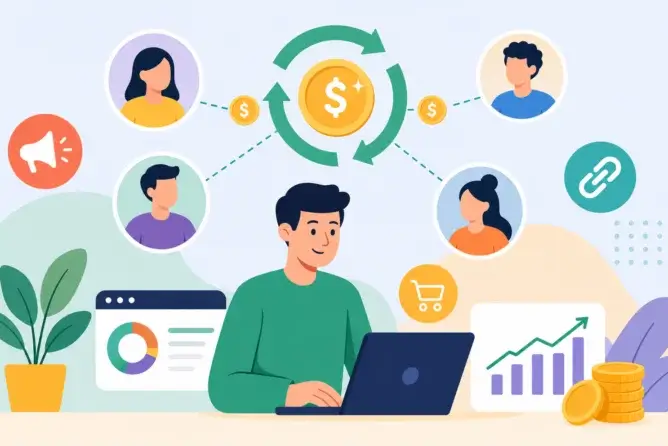
Influencer affiliate programs are the simple idea behind so much creator income. You recommend a product you love. Your audience buys through your link or code. And you earn a commission.
It sounds straightforward… and at a high level, it is. What’s changed is how central this model has become to digital marketing. Brands aren’t just dabbling anymore. They’re building always-on affiliate engines with creators at the center.
That shift makes picking the right programs more important than ever. In 2026, the best programs won’t just offer solid rates. They’ll make it easy to create and get paid without headaches.
This page shares the best influencer affiliate programs for 2026. As an online influencer, read on to learn what programs to pick and how to make the most of these.
Key Criteria for Choosing the Best Influencer Affiliate Programs
Not all affiliate programs are created equal. When you’re picking where to invest your time, weigh these factors:
- Commission rates and structures: Flat rates can be easy to understand. Tiered or performance-based models can reward growth. Some programs offer higher rates for new-customer sales or specific categories. Cookie and attribution windows matter too.
- Brand alignment and audience relevance: A high commission means nothing if the brand doesn’t fit your audience. The best partnerships feel like a natural extension of your content. When you promote something you’d genuinely recommend, the conversions follow, and your credibility stays intact.
- Reputation and reliability of the affiliate platform: You want accurate tracking, transparent reporting, and on-time payments. Look for first-party tracking and coupon code attribution, especially if you’re promoting tools like call tracking software, where accurate attribution helps ensure you receive credit for every qualified referral.
- Support and resources: Think deep links, exclusive codes, product feeds, landing pages, and responsive support. Handy extras like link shorteners and shoppable galleries save time.
Getting these right means your best content is backed by fair incentives and clean data. And of course, brands your audience actually cares about.
Top Influencer Affiliate Programs for 2026
Below are programs and platforms that creators across niches are using to earn in 2026.
1. Amazon Influencer Program

Amazon’s creator-specific track lets you build a storefront. It allows you to host shoppable livestreams and earn commissions across a massive product catalog.
| Pros | Enormous selection, fast shipping, and trust factor Storefronts and livestreaming tools in one place |
| Cons | Category-based rates vary and can shift Limited control over landing page design |
| Best For: | General lifestyle, home, tech, and creators who recommend a wide range of products |
| Success Notes: | Amazon’s scale makes it a reliable “always-on” earner for many mid-size creators, especially those producing evergreen recommendation content. |
2. TikTok Shop Affiliate

TikTok Shop Affiliate lets creators promote products directly in their videos and livestreams while earning commissions on sales. Since customers can purchase without leaving the app, the buying process is fast and seamless.
| Pros | Frictionless shopping directly inside TikTok An algorithm tuned for discovery |
| Cons | Merchants and categories vary by region Requires consistent short-form content to shine |
| Best For: | Beauty, fashion, home hacks, gadgets, and creators who thrive in quick, punchy videos |
| Success Notes: | TikTok showcases case studies demonstrating creator-led sales momentum across categories |
3. LTK (LIKEtoKNOW.it)

LTK Creator helps lifestyle creators turn their content into shoppable posts and curated storefronts. It connects influencers with leading fashion and home brands…making it easier to earn from product recommendations.
| Pros | Strong fashion, beauty, and home retailer network Tools for building cohesive, shoppable lookbooks |
| Cons | More selective onboarding than open networks The heaviest benefits skew toward style-led niches |
| Best For: | Fashion, beauty, home, and lifestyle creators |
| Success Notes: | LTK reports driving billions in annual retail sales for creators and partners, and is a staple platform for style-focused influencers |
4. Shopify Collabs

Shopify Collabs connects creators with thousands of Shopify brands looking for affiliate partners. You can discover products and create affiliate links or discount codes from one platform.
| Pros | Direct line to thousands of DTC brands Simple link and code creation |
| Cons | Commissions vary widely by brand The quality of brand assets and support can differ |
| Best For: | Niche creators who love discovering up-and-coming DTC products |
| Success Notes: | Collabs simplifies pitching and managing many small brand relationships without a ton of back-and-forth |
5. Collective Voice (formerly ShopStyle Collective)

Collective Voice helps creators monetize fashion and lifestyle content through affiliate links and brand partnerships. It offers easy-to-use tools for creating shoppable content across blogs and social media.
| Pros | Curated retailer list and competitive rates Clean tools for lookbooks and product carousels |
| Cons | Focused niche; not ideal for tech or B2B |
| Best For: | Fashion-forward and beauty creators |
| Success Notes: | Long-time presence in style publishing means steady opportunities for creators who post regularly |
6. YouTube Shopping and Affiliate

YouTube Shopping lets eligible creators tag products in videos and livestreams to earn affiliate commissions. It makes it easy for viewers to shop while watching your content.
| Pros | High-intent audiences and deep product education Native shopping in long-form and short-form |
| Cons | Eligibility and merchant availability vary by region Best results require consistent video cadence |
| Best For: | Tech reviewers, beauty tutorials, DIY, and education-first content |
| Success Notes: | Tutorials and reviews that already drive “what should I buy?” searches tend to convert well once products are natively tagged |

7. impact.com for Creators

Impact.com connects creators with well-known brands across industries like retail, travel, finance, and technology. The platform also provides tools to manage partnerships and grow long-term collaborations.
| Pros | First-party tracking, dynamic commissioning, and code attribution Large roster of global brands |
| Cons | Dashboard depth can feel advanced at first |
| Best For: | Creators who want to professionalize relationships and negotiate custom terms |
| Success Notes: | impact.com highlights numerous creator–brand case studies across retail, fintech, and travel on its site |
8. CJ (CJ Influence)

CJ is one of the largest affiliate networks, giving creators access to hundreds of established brands. It offers reliable tracking and reporting tools to help manage affiliate partnerships more effectively.
| Pros | Deep pool of enterprise brands Mature tooling for commissioning and reporting |
| Cons | Approval required at the brand level Payout timelines can vary by advertiser |
| Best For: | Tech, travel, finance, and retail creators wanting name-brand partners |
| Success Notes: | CJ’s case studies show strong results when creators align with seasonal campaigns and higher-tier rates |
9. Awin (including ShareASale) for Influencers

Awin gives creators access to thousands of affiliate programs across a wide range of industries and countries. Through ShareASale, it also connects creators with many small and growing brands.
| Pros | International reach and niche depth Solid tools for link creation and reporting |
| Cons | Brand-by-brand approvals Interfaces differ between Awin and ShareASale |
| Best For: | Creators outside the US or with cross-border audiences; niche blog plus social hybrids |
| Success Notes: | Awin regularly publishes creator-focused case studies and playbooks |
10. Rakuten Advertising Influencer Network

Rakuten Advertising connects creators with well-known retailers and premium brand campaigns. It’s a strong choice for influencers looking to work with established companies and long-term partnerships.
| Pros | Household-name advertisersHands-on program management for larger campaigns |
| Cons | Competitive approvals Enterprise slant can be less friendly to beginners |
| Best For: | Mid-to-large creators seeking flagship brand partnerships |
| Success Notes: | Rakuten showcases results-driven creator activations across fashion and retail |
11. Skimlinks

Skimlinks automatically turns eligible product links into affiliate links, making it easy to monetize existing content. It’s especially useful for bloggers, publishers, and newsletter creators who recommend products regularly.
| Pros | No brand-by-brand onboarding Ideal for written content and “roundup” posts |
| Cons | Rates can be lower than going directly Less control over merchant relationships |
| Best For: | Blog-first creators, publishers, and newsletter writers |
| Success Notes: | Skimlinks features publisher case studies highlighting commerce content growth |
12. MagicLinks

MagicLinks helps creators monetize product recommendations through affiliate links and brand partnerships. It’s designed for social-first creators who want a simple way to earn from their content.
| Pros | Fast link creation and trackable galleries Brand deal marketplace plus affiliate tools |
| Cons | Strongest network ties in fashion, beauty, and lifestyle |
| Best For: | Social-first creators who want clean, shoppable content hubs |
| Success Notes: | MagicLinks publishes creator and brand case studies showing lift from creator-led campaigns |
13. PartnerStack

PartnerStack helps creators partner with SaaS and B2B brands through one platform. Many programs offer recurring commissions, making it a great option if your audience is interested in business, marketing, AI, or software tools.
| Pros | High recurring commissions from subscription-based products Large marketplace of SaaS and technology brands |
| Cons | Less suitable for lifestyle and consumer product creators Many programs target business-focused audiences |
| Best For: | Business, marketing, entrepreneurship, AI, finance, and tech creators |
| Success Notes: | Many SaaS companies offer recurring monthly commissions, allowing creators to generate ongoing income from a single customer referral |
14. ClickBank

ClickBank is a popular affiliate marketplace for digital products. Including online courses, software, ebooks, and more. It offers a wide range of products across many niches, making it easy for creators to find offers that fit their audience.
| Pros | Easy approval for many affiliate offers Wide selection of digital products with high commission rates |
| Cons | Product quality varies significantly Requires careful vetting before recommending offers |
| Best For: | Educational creators, coaches, bloggers, YouTubers, and email marketers |
| Success Notes: | Creators who build trust through tutorials, reviews, and educational content often perform well |
15. FlexOffers

FlexOffers gives creators access to thousands of affiliate programs across retail, travel, finance, technology, and more. Rather than joining individual brand programs, you can manage multiple partnerships from a single dashboard.
| Pros | Thousands of brands across diverse industries Centralized dashboard for managing multiple partnerships |
| Cons | Approval requirements vary by advertiser Some niche categories offer fewer opportunities than larger networks |
| Best For: | Lifestyle, travel, finance, shopping, and multi-niche creators |
| Success Notes: | FlexOffers works particularly well for creators who publish buying guides, comparison articles, and seasonal recommendation content. |
Tip: Don’t overlook direct brand programs. Many DTC brands run their own in-house affiliate programs using platforms like Tapfiliate, which can mean faster approvals, exclusive codes, and closer relationships. If you love a brand, ask if they have a program…even if you don’t see it listed on a big network.
How To Maximize Success in Affiliate Marketing
- Build a loyal, engaged audience. Affiliate marketing niche works best. Niche audiences buy more decisively because your recommendations feel tailored. A weekly newsletter and/or close friends’ stories can become your highest-converting channels.
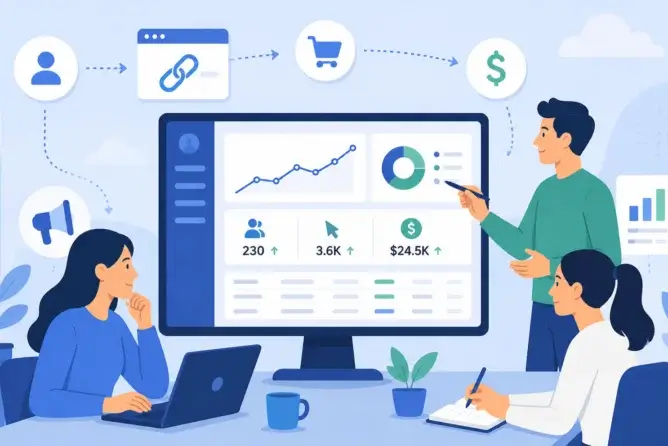
- Let analytics guide you. Track clicks, conversion rate, AOV, and earnings per click. Along with your affiliate dashboards, use UTMs and GA4 to see which formats work. Double down on top-converting topics and prune the rest.
- Create content that answers buying questions. Comparisons, “X vs Y,” setup guides, and “best for” roundups convert better than generic mentions. For example, if your audience includes real estate professionals, a guide comparing the best land software can attract high-intent readers. Make sure each affiliate link leads to a relevant product page.
- Negotiate as you grow. Bring proof. Share your click-to-sale rates and case studies to ask for rate bumps or higher commissions on select SKUs.
- Automate the busywork. But keep the voice human. Use link shorteners and affiliate attribution so tracking is clean. Then focus your time on your unique POV. Not spreadsheets.
- Stay current. Follow updates from trusted industry sources like Influencer Marketing Hub and your networks’ blogs. Small policy or rate changes can add up over a year.
- Disclose every time. Clear, upfront, platform-native disclosures protect your relationship with your audience and your income. It’s one habit you’ll never regret.
Success in affiliate marketing comes from continually improving what works. As you grow your audience, track your results and refine your content. Likewise, build stronger relationships with your affiliate partners to unlock better opportunities over time.
Learn from Jason Ledbetter, Operator at Jason Ledbetter. He says consistent communication with affiliate managers can make a meaningful difference as your business grows.
Ledbetter explains, “The affiliates who communicate consistently are the ones who get early access to promotions and negotiated rates. When partners share what’s working and ask for the resources they need, it becomes much easier to build campaigns that benefit everyone involved.”
That said, treat your affiliate manager as a long-term partner. Sharing your performance insights and staying engaged can help you secure better commissions and resources that support continued growth.
Wrapping Up
Picking the right affiliate programs is one of the most important decisions you’ll make as a creator-slash-influencer in 2026. The best fits line up with your niche. They offer fair and flexible commissions. And they give you clean data so you can refine what works.
With social commerce tightening the loop from discovery to purchase and AI handing you sharper insights, well-chosen programs can meaningfully lift both your revenue and your creativity.
That said, match each program’s strengths to your goals and your audience. Likewise, try a few look at the numbers. Lastly, stick to the ones that feel like a natural extension of your content.
Remember: the tools are in place. The audience is listening. Choose well, create with heart, let the data point you forward, and succeed!
Planning to launch your own influencer program?
Tapfiliate gives you everything you need to recruit influencers and creators, track conversions, manage commissions, and grow your partner program. All from one platform.
Similar articles


















In this article
Key Criteria for Choosing the Best Influencer Affiliate Programs
Top Influencer Affiliate Programs for 2026
How To Maximize Success in Affiliate Marketing
Wrapping Up
Get content like this, and more, sent directly to your inbox
Thank you!
We will contact you soon.
